
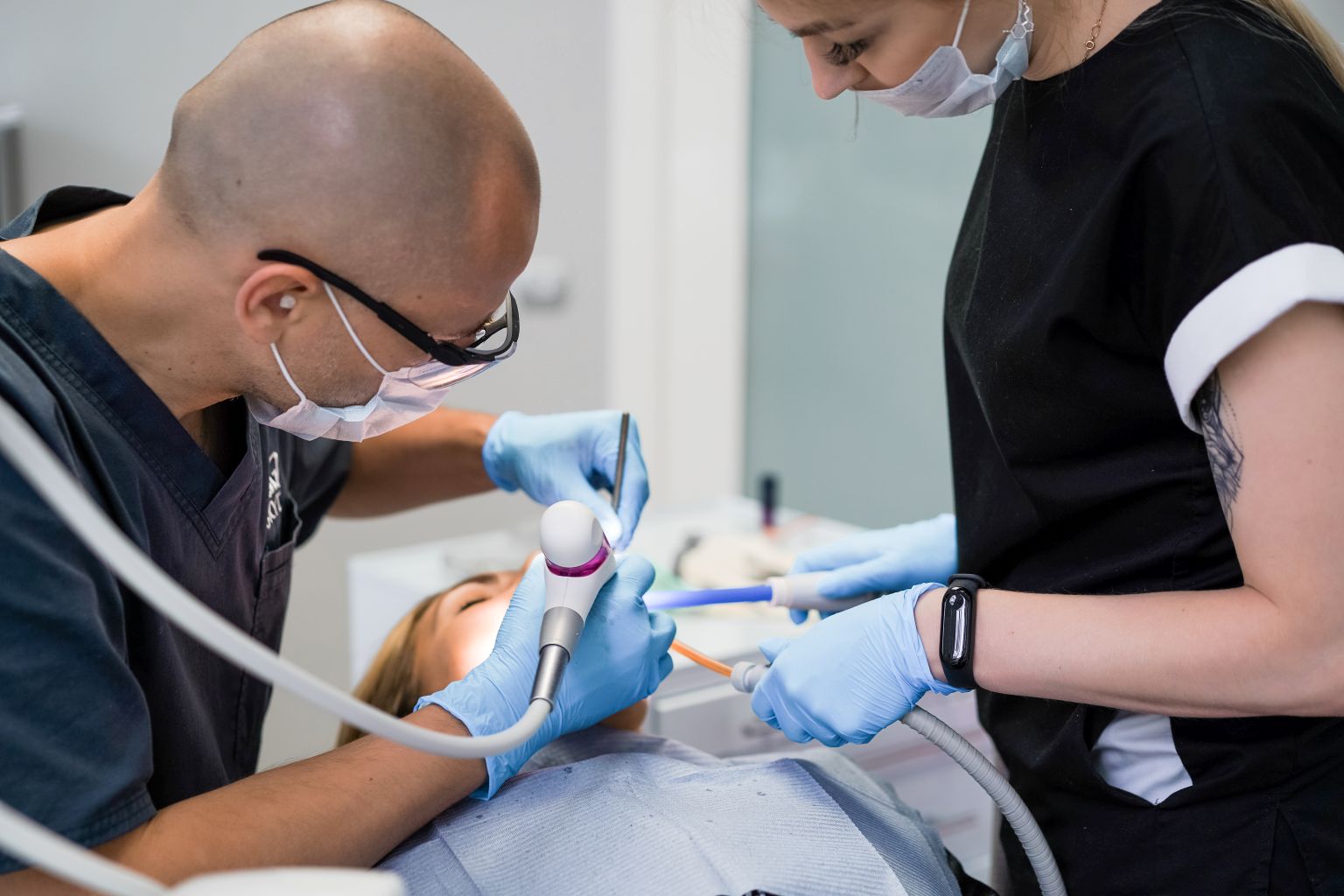
Do your gums bleed, hurt, or look swollen? If yes, a normal cleaning may not be enough. Dentists often recommend a deeper cleaning called scaling and root planing. People searching for scaling and root planing near you want to stop gum problems before they get worse. This treatment cleans under the gums, where bacteria can hide and cause damage.
This guide explains root planing in simple terms so you can understand how it works, why it helps, and what to expect.
What is Scaling and Root Planing?
Scaling and root planing is a deep cleaning treatment used to treat gum disease. It goes beyond a normal cleaning by removing plaque and hardened buildup from below the gums and smoothing the tooth roots. This helps the gums heal and reattach to the teeth.
Unlike a regular cleaning that focuses on the surface, this treatment targets areas that brushing and flossing cannot reach.
Why Gum Health Matters
Healthy gums support your teeth and protect the bone underneath. When bacteria stay trapped under the gums, they can cause infection and bone loss over time.
Poor gum health can lead to:
- Bleeding gums
- Bad breath
- Loose teeth
- Tooth loss, if left untreated
Deep cleaning helps stop these problems early.
Who Performs This Treatment?
A trained dental hygienist usually performs scaling and root planing. They are skilled in cleaning deep below the gums and spotting early signs of gum disease.
They work carefully to remove buildup while keeping you as comfortable as possible during the process.
Root Planing Procedure Explained Step by Step
Here’s a simple way to understand the root planing procedure:
- The dentist numbs your mouth so you don’t feel pain.
- Plaque and tartar are cleaned from under the gums.
- The tooth roots are smoothed to help your gums heal.
- The area is cleaned to remove bacteria.
Depending on your gum health, the treatment may be done in one or more visits.
How This Deep Cleaning Helps Your Gums
Root planing helps gums heal by removing the source of infection. Once bacteria are gone, gums can tighten around the teeth again.
Benefits include:
- Reduced swelling and bleeding
- Healthier gum attachment
- Lower risk of tooth loss
- Fresher breath
This is a key step in preventing gum disease with root planing.
What to Expect After Treatment
It’s normal to have a little soreness or sensitive teeth for a short time. Most people can go back to their usual activities the same day.
Simple aftercare tips:
- Brush gently with a soft toothbrush.
- Floss carefully as instructed.
- Avoid very hard or spicy foods for a day.
- Go to follow-up visits if your dentist recommends them.
Taking care of your teeth at home helps the results last longer.
Is Root Planing Better Than Regular Cleaning?
Regular cleanings prevent problems, but they cannot treat existing gum disease. Root planing is used when infection is already present under the gums.
This deep cleaning focuses on healing, not just maintenance.
Want to Keep Your Gums Healthy?
If your gums are showing signs of problems or you want advice on deep cleaning, the friendly team at Serenity Smiles can help. Book your visit today and start taking care of your gums for a healthier, happier smile.
📍 Find Us on Google Map
FAQs
Does root planing hurt?
Most people feel little or no pain because the dentist numbs the area first. You might feel some mild soreness afterward, but it usually goes away in a day or two.
How long does the treatment take?
Each session typically lasts one to two hours. The time depends on how many areas need deep cleaning and the level of gum buildup.
Will my gums grow back?
Gums do not fully grow back, but they can heal and tighten around the teeth. This helps reduce bleeding and supports better gum health.
Is this treatment safe?
Yes, root planing is a safe and well-used treatment for gum disease. It helps remove infection and protect teeth when done by trained professionals.