
Regular brushing plays an essential role in preventing tooth decay, yet some children still develop cavities despite maintaining a consistent oral hygiene routine. The reason is that cavity prevention involves more than brushing alone. Diet, fluoride exposure, saliva production, tooth structure, and brushing technique can all influence how well teeth resist decay. A dental hygienist in Calgary can help families identify areas where daily cleaning or preventive care may need improvement. Understanding these contributing factors makes it easier to address potential risks without assuming that cavities result from poor brushing habits.
With the right combination of home care and professional guidance, families can take practical steps to protect their children’s developing teeth.
Why Brushing Helps but Does Not Eliminate Risk
Cavities form when bacteria in dental plaque use sugars from food and drinks to produce acids. These acids gradually remove minerals from enamel. Saliva helps neutralize acids and restore some lost minerals, while fluoride strengthens enamel and supports remineralization.
Brushing removes plaque and helps deliver fluoride when fluoridated toothpaste is used. However, toothbrush bristles may not reach every surface effectively. Deep grooves in back molars and tight spaces between teeth can allow plaque to accumulate.
Children are also still developing the coordination needed to brush thoroughly. Even when they brush every day, they may miss certain areas without adult assistance or supervision.
Common Reasons Cavities Can Still Develop
Several factors may contribute to tooth decay, often in combination:
- Brushing technique: Rushed brushing or missed areas along the gumline can leave plaque behind.
- Frequent sugar exposure: Repeated consumption of sugary foods and drinks creates more opportunities for acid attacks.
- Limited fluoride exposure: Inconsistent use of fluoride toothpaste may reduce protection against decay.
- Deep grooves or enamel defects: Certain tooth surfaces are harder to clean, while some developmental enamel defects can increase susceptibility.
- Reduced saliva: Dry mouth can limit the mouth’s natural ability to neutralize acids and clear food debris.
- Frequent sipping or bedtime bottles: Prolonged exposure to sugary drinks, especially during sleep, can increase the risk of cavities.
- Individual circumstances: Tooth shape, crowding, medical needs, and previous cavities may affect the level of prevention required.
A dental hygienist clinic near you can help assess cleaning habits, discuss preventive options, and identify areas that need additional attention. When decay is suspected, a dentist must assess the tooth and determine whether treatment is necessary.
Making Daily Brushing More Effective
A consistent routine can improve plaque removal and help protect enamel. Consider these practical steps:
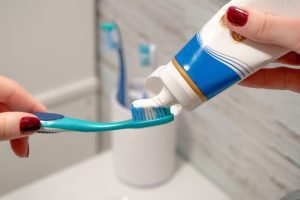
- Brush twice daily with fluoride toothpaste, using an amount appropriate for the child’s age.
- Choose a soft, child-sized toothbrush that can comfortably reach all tooth surfaces.
- Clean the front, back, and chewing surfaces of every tooth, paying particular attention to back molars and the gumline.
- Help or supervise brushing until the child can reliably clean thoroughly and spit out excess toothpaste.
- Clean between teeth when they touch, using suitable flossing tools or techniques.
- Replace toothbrushes when the bristles become worn or frayed.
For younger children, caregivers should dispense the toothpaste and supervise brushing to limit swallowing. Children with previous cavities or additional health needs may benefit from more individualized advice from their dental team.
How Snacks and Drinks Affect Cavity Risk
How often a child consumes sugar matters, not just the total amount. Each exposure allows plaque bacteria to produce acids, and frequent snacking or sipping can increase the number of acid attacks throughout the day.
Water is a practical choice between meals. Keep sugary drinks and sweets occasional rather than allowing prolonged sipping or frequent grazing. When possible, offer snacks as part of regular mealtimes rather than spreading them throughout the day.
This does not mean that every sweet treat causes a cavity. Overall eating patterns, fluoride exposure, saliva, oral hygiene, and tooth susceptibility all influence risk. Consistent habits are more useful than treating individual foods as sources of guilt or anxiety.
When Fluoride or Sealants May Help
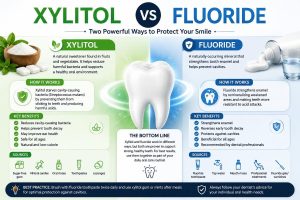
Fluoride toothpaste is an important part of cavity prevention for most children. Depending on individual risk, a dental professional may also recommend professional fluoride treatments to provide additional protection.
Dental sealants are protective coatings applied to the grooves of selected back teeth. They help prevent food and plaque from collecting in areas that are difficult to clean. Whether sealants are appropriate depends on the teeth involved and the child’s risk of decay.
A preventive review can help determine which measures are most suitable. Early enamel changes may be identified before a visible cavity develops, although some areas require closer monitoring or further assessment. If decay has progressed to the point of requiring a cavity repair, preventive measures alone may not be sufficient.
When a Dental Review Is Needed
Early tooth decay does not always cause pain, so waiting for symptoms may allow a problem to progress. Arrange a dental assessment if you notice a white or brown spot, a visible hole, sensitivity, persistent discomfort, or changes in eating.
Facial or gum swelling, worsening pain, or signs of infection warrant prompt attention. Breathing or swallowing difficulties associated with swelling require emergency medical care.
After an examination, the recommended approach may include improving home care, monitoring early changes, applying fluoride, placing sealants, or repairing a cavity. The appropriate plan depends on the findings and the child’s individual needs.
Give Your Child’s Teeth the Right Protection
Cavities can develop even when brushing is part of the daily routine, but understanding the contributing factors can help families make more effective changes. Small adjustments to brushing, eating habits, and preventive care may improve protection and reduce the likelihood of future decay.
Book a consultation with Serenity Smiles to review your child’s oral hygiene routine, discuss the risk of cavities, and develop a prevention plan tailored to their needs.
FAQs
Why do children get cavities despite brushing?
Brushing may not remove all plaque, particularly between teeth and inside deep molar grooves. Frequent sugar exposure, limited fluoride, reduced saliva, and enamel differences can also contribute. The cause often involves several factors rather than brushing habits alone.
What causes cavities in children who brush regularly?
Tooth decay develops when plaque bacteria produce acids that weaken enamel. The frequency of sugar exposure, fluoride protection, saliva, and tooth structure all influence this process. A child’s individual risk depends on how these factors interact.
Can frequent snacking increase a child’s cavity risk?
Yes. Frequent sugary or starchy snacks can create repeated opportunities for plaque bacteria to produce acids. Offering water between meals and limiting frequent sugary snacks can help reduce exposure while maintaining a balanced diet.
Does fluoride toothpaste help prevent cavities in children?
Yes. Fluoride strengthens enamel and supports remineralization after acid attacks. Children should use an age-appropriate amount under adult supervision. Additional fluoride treatments may be recommended when a child has an elevated risk of decay.
How can kids get cavities with good brushing habits?
Even consistent brushing may not fully protect against frequent sugar exposure, reduced saliva, or difficult-to-clean tooth surfaces. Children may also need help reaching certain areas. Prevention works best when brushing, diet, and professional care are considered together.