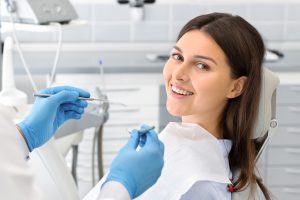
Is it that you have not had your dental checkup in a few years, and you find yourself unsure about what to expect at your first visit back? Going back to the dentist can be intimidating, but there is nothing to be embarrassed about. Dental exams in Calgary could assist in gaining insight into your present state of oral health. In your first dental checkup, the dentist can perform an examination on your teeth and gums, look at your dental history, take X-rays if necessary, and go over your concerns regarding your teeth.
This visit can also help create a simple plan for getting your oral health back on track.
Will the Dentist Judge Me for Not Going?
No. A dental visit should focus on understanding your current oral health, not making you feel uncomfortable about your past care.
Being honest about your last dental visit helps your dental team understand your needs. Tell them about past dental problems, pain, sensitivity, medicines, and treatments.
The goal is to understand what your mouth needs now and create a practical plan for moving forward.
What Does a Comprehensive Dental Exam Include?
It usually involves a detailed assessment of your teeth, gums, bite, and other areas of the mouth. The exact checks depend on your dental history and current concerns.
The exam may include:
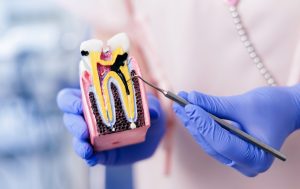
- Checking for cavities or damaged teeth
- Looking for gum problems
- Checking fillings, crowns, and other dental work
- Checking how your teeth fit together
- Looking for worn teeth
- Reviewing your dental and health history
- Taking X-rays if needed
If it has been a long time since your last visit, a detailed exam can help check your current oral health.
Do I Need X-Rays at My First Dental Visit?
Not necessarily. X-rays are recommended based on your individual needs rather than simply because it is your first appointment after a long break.
Dental X-rays may help identify concerns that cannot be seen during a visual examination, including certain areas between teeth or below the gumline.
The need for X-rays can depend on:
- Your dental history
- Current symptoms
- Previous X-rays
- Age
- Risk of tooth decay or other dental problems
- Findings during the examination
The dental team can explain why a particular X-ray is recommended before it is taken.
What Happens During a Dental Cleaning?
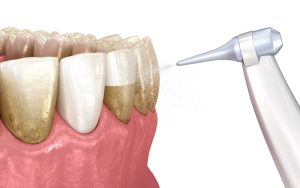
A cleaning may be included in the visit or scheduled separately, depending on your needs. Plaque and hardened buildup can collect in areas that are difficult to clean fully at home.
A trusted dental hygienist in Calgary can assess the condition of the teeth and gums while providing professional cleaning and guidance for daily oral care.
If there is significant buildup or gum inflammation, the cleaning approach may be adjusted to suit the condition of the mouth.
What If My Teeth Need Treatment?
Finding a dental problem does not mean everything needs to be treated on the same day. After the examination, the findings can be explained, and treatment options can be discussed.
Depending on the condition of your teeth, recommendations may include:
- A filling for a cavity
- Care for gum problems
- Repair or replacement of damaged dental work
- Monitoring a concern that does not need immediate treatment
- Additional testing when more information is needed
The treatment plan should be based on the condition of the teeth, gums, and overall oral health.
What If I Am Nervous About Returning?
Feeling nervous after years without dental care is understandable. Sharing concerns before the examination can help the dental team adjust the visit when possible.
A Calgary dental hygienist clinic near you may provide an opportunity to discuss cleaning concerns, gum sensitivity, or questions about returning to regular dental care.
Helpful steps to take before your appointment include:
- Write down any dental concerns.
- Note any tooth pain or sensitivity.
- Bring a list of your medicines.
- Tell your dentist about past dental treatments.
- Ask about anything you do not understand.
Sharing clear information can help make your visit easier and more comfortable.
Can a First Exam Find Problems Without Symptoms?
Yes. Some dental concerns may develop without causing noticeable pain. A person may have early tooth decay, gum changes, or other problems without realizing anything is wrong.
This is one reason a detailed examination can be useful after a long gap. Identifying a concern does not automatically mean major treatment is needed. The appropriate next step depends on what the examination shows.
What Should You Expect After the Exam?
At the end of the visit, the dental team can explain the findings and discuss what should happen next. If treatment is recommended, the reason for it and available options can be reviewed.
A simple care plan may include:
- Finishing the recommended treatment
- Improving your daily oral care
- Booking a follow-up visit
- Keeping an eye on certain areas
- Going for regular dental checkups
The goal is to make your next steps simple and easy to understand.
Start Fresh With Your Dental Care!
Have you been putting off dental care because it has been years since your last visit? A professional examination can help you understand your current oral health, address concerns at a comfortable pace, and plan appropriate care for the future. Book an appointment with Serenity Smiles to take the next step toward maintaining your teeth and gums with personalized dental care.
FAQs
Is it too late to see a dentist after several years?
No. It is never too late to get dental care. A checkup can show the current health of your teeth and gums and help plan your next steps.
What if I have several cavities?
Having several cavities does not mean they all need treatment at once. Your dentist can check each one and decide which needs attention first.
Should I clean my teeth differently before my appointment?
No. Keep your usual brushing and cleaning routine. Your normal oral condition helps your dentist understand what care you may need.
Can I ask questions during my first exam?
Yes. You can ask about your exam, X-rays, treatment options, costs, and future visits. This can help you understand your dental care.