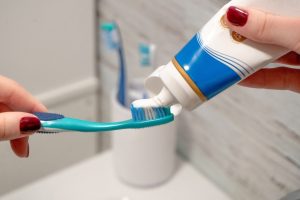
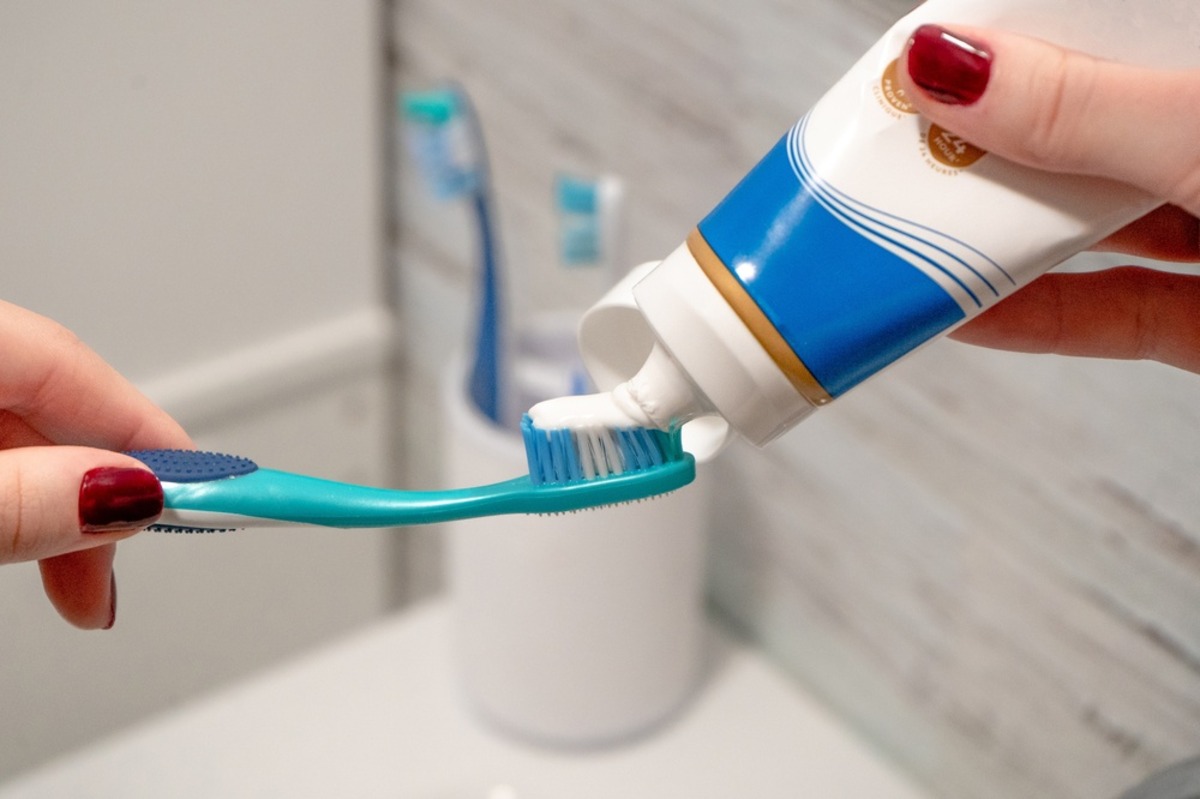
Why aren’t whitening toothpastes making your teeth look as bright as you expected? Whitening toothpaste can help remove some stains from the surface of the teeth, but it may not change deeper or natural tooth colour. Teeth whitening in Calgary may be a more suitable option for certain types of discoloration because professional whitening products are designed to lighten the natural shade of teeth.
The reason for the staining also matters. Coffee, tea, tobacco, aging, and changes within the tooth can all affect its colour. If regular whitening toothpaste is not making much difference, understanding the type and cause of the stains can help determine whether professional cleaning, whitening, or another option may be appropriate.
Does Whitening Toothpaste Really Work?
Yes, but its effect is limited. Whitening toothpaste can help remove some stains from the outer surface of the teeth. It does not work the same way as professional whitening treatments.
Common surface stains may come from:
- Coffee
- Tea
- Red wine
- Tobacco
- Dark-coloured foods and drinks
- Plaque buildup
Whitening toothpaste may help reduce these stains with regular use. However, it may not make naturally darker teeth significantly lighter.
Why Isn’t Whitening Toothpaste Removing My Stains?
If you are wondering why whitening toothpaste isn’t removing your stains, the answer may be related to the type of discoloration.
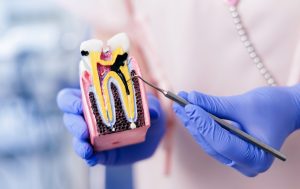
Some stains are not simply sitting on the outside of the teeth. They may be deeper within the tooth or related to changes in the tooth structure.
Whitening toothpaste may have limited results when:
- The discoloration is deep.
- The teeth have naturally darker shades.
- A tooth has changed colour after an injury.
- Certain medications have caused discoloration.
- Dental restorations are stained or darker.
- The colour change is related to aging.
In these situations, using more toothpaste or brushing harder may not provide better results.
Why Whitening Toothpaste Doesn’t Remove Deep Stains
Understanding why whitening toothpaste doesn’t remove deep stains starts with knowing where the discoloration is located.
Toothpaste mainly works on the outer surface. Deep discoloration may be located within the tooth and cannot simply be brushed away.
For example, a tooth that becomes darker after an injury may need a dental examination rather than repeated use of whitening toothpaste. Some medications can also cause changes in tooth colour that do not respond well to surface stain removal.
The solution depends on the reason for the discoloration.
What Can a Dental Hygienist Do for Stains?
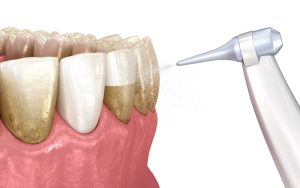
A professional cleaning can help remove plaque, tartar, and some surface stains that regular brushing may not remove.
A trusted dental hygienist in Calgary can examine the teeth and provide a professional cleaning based on the condition of the teeth and gums.
- A cleaning may help with:
- Surface stains
- Plaque buildup
- Hardened tartar
- Areas that are difficult to clean at home
However, a professional cleaning is not the same as teeth whitening. Cleaning removes buildup and some external stains, while whitening is designed to lighten the natural tooth colour.
How Can You Prevent New Stains?
Once surface stains have been removed or teeth have been whitened, daily habits can help reduce new discoloration.
Helpful habits include:
- Brush twice a day with fluoride toothpaste.
- Clean between the teeth daily.
- Drink water after coffee or tea.
- Limit frequent dark-coloured foods and drinks.
- Avoid tobacco products
- Attend regular dental cleanings.
- Follow professional whitening aftercare instructions.
These habits cannot prevent every stain, but they can help maintain cleaner-looking teeth.
What Should You Do If Whitening Toothpaste Is Not Working?
If whitening toothpaste has not improved the stains, switching to a stronger toothpaste is not necessarily the answer. First, identify what type of discoloration is present.
A dental professional at a dental hygienist clinic near you can determine whether the issue is:
- Surface staining that may improve with professional cleaning.
- Deeper discoloration that may respond better to professional whitening.
- A dental restoration that does not respond to whitening.
- A tooth problem that needs dental treatment before cosmetic care.
Choosing treatment based on the cause can prevent unnecessary products and repeated attempts at whitening.
Ready to Find the Right Solution for Stubborn Stains?
Stains on your teeth can appear for various reasons. Knowing the cause behind your staining can help you know the right way to eliminate them. A dental assessment by a professional can help determine if cleaning, whitening, or anything else is suitable. Schedule a consultation with Serenity Smiles to go over your concerns and see what’s best to achieve a cleaner, brighter-looking smile.
FAQs
How long does whitening toothpaste take to work?
It depends on the type and amount of stains. Some surface stains may look lighter with regular use, but deeper stains may not change much.
Can whitening toothpaste remove coffee stains?
It may help reduce some coffee stains on the outer surface of the teeth. Stubborn stains may need professional cleaning for more effective removal.
Why are my teeth still yellow after using whitening toothpaste?
Natural tooth colour, aging, deeper discoloration, and certain types of stains can make teeth appear yellow even with regular use of whitening toothpaste. A dental assessment can help identify the cause.
Should whitening toothpaste be used every day?
Follow the product instructions and use it as directed. Brushing gently with a soft-bristled toothbrush is more important than brushing harder or more often.