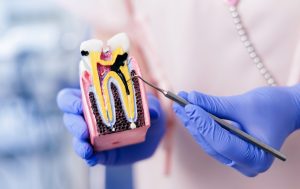
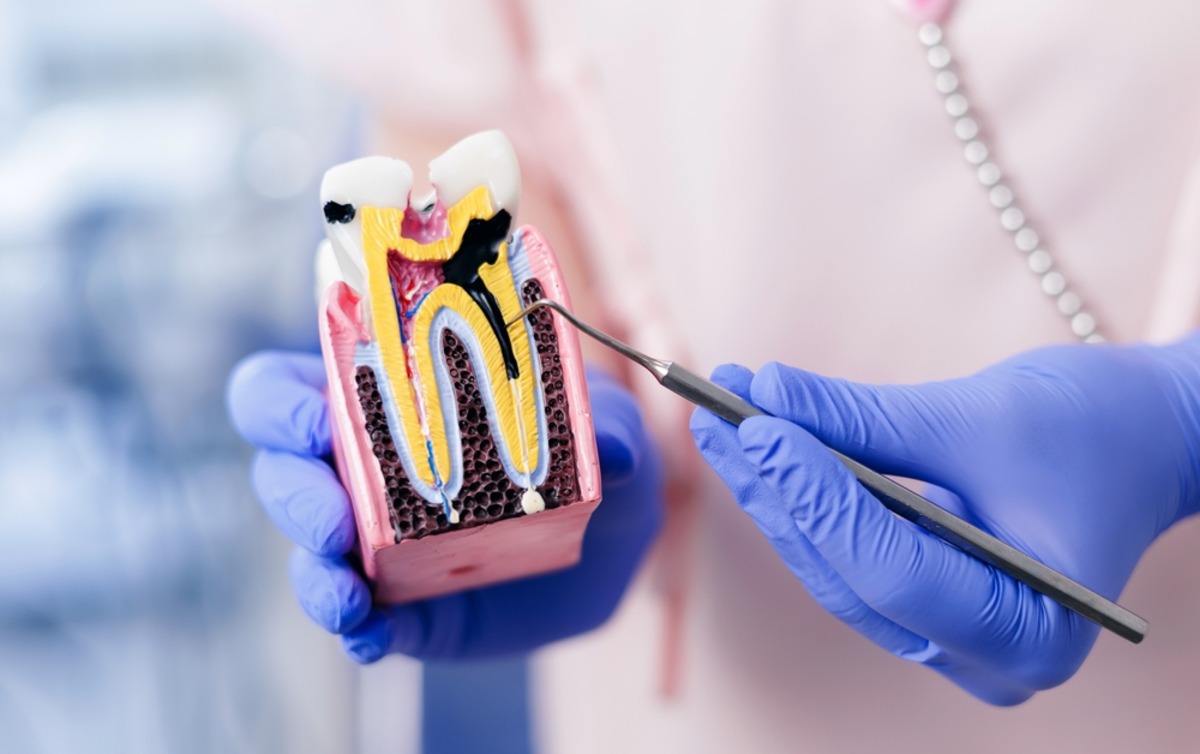
Cavity treatment in modern dentistry has undergone a significant transformation, particularly with the introduction of gentle techniques that prioritize patient comfort and preserve natural teeth. Another approach to get attention is ART cavity treatment in Calgary, AB, which aims to treat cavities more easily and less invasively. Careful removal of decay may be followed by reconstruction of the tooth in a non-invasive manner without the use of drills.
Many patients today prefer treatment options that feel easier, especially when dental anxiety or sensitivity is a concern.
What is Atraumatic Restorative Therapy?
Atraumatic Restorative Therapy (ART) is a dental treatment method used to repair cavities without traditional drilling in most cases. It involves removing soft, decayed tooth material with simple hand instruments, then filling the area with a protective material.
If you are searching for atraumatic restorative therapy, you may choose this approach because it is gentle and can be done with minimal equipment.
Key features of ART:
- Little or no use of dental drills
- Only removes the decayed part of the tooth.
- Uses safe, tooth-friendly filling materials
- Focuses on simple and comfortable treatment
How ART Is Changing Cavity Treatment in Modern Dentistry
Common cavity treatment employs drilling and numbing, which can be uncomfortable for patients. ART provides a more relaxed alternative that emphasizes early intervention.
Significant enhancements consist of.
- Greater comfort during treatment.
- In many cases, there may be less need for anesthesia.
- Swifter therapy sessions.
- It makes it easier for nervous patients.
- Ideal for entry-level dental practices.
If you are visiting a dental hygiene clinic near you, you may be introduced to ART as part of preventive and early cavity care.
What Is Atraumatic Restorative Therapy and Who Is It Designed For?
Understanding what atraumatic restorative therapy is and who it is designed for helps patients decide whether it may be suitable for their needs.
They often suggest ART for.
- Kids with early dental caries.
- Individuals who experience dental anxiety.
- Individuals with restricted access to dental care.
- Patients who have minor to moderate cavities
- Quick, gentle treatment for the patients.
It is especially helpful when cavities are detected early, before they become more complex.
How Does ART Treatment Work Step-by-Step?
ART is a straightforward process designed for comfort and efficiency.
- Examination: The dentist checks the tooth and finds the cavity.
- Decay removal: Soft decayed parts are gently removed using small hand tools.
- Cleaning: The area is cleaned to get it ready for filling.
- Filling placement: A special filling material is placed to seal and protect the tooth.
- Shaping: The filling is shaped for a normal bite and comfort.
Is Atraumatic Restorative Therapy Effective for Early Cavities?
A common question is whether atraumatic restorative therapy works for early cavities. Yes, it works well when cavities are small and found early.
How well it works depends on:
- The size and depth of the cavity
- Where the tooth is located
- Daily oral hygiene habits
- Regular dental checkups
Benefits for early cavities:
- Stops the cavity from getting worse
- Saves more of the natural tooth
- Reduces the need for bigger treatments later
- Helps keep teeth healthy for longer
ART works best when cavities are treated early.
Benefits of ART for Patients
ART has several benefits that make it a good choice for many patients.
Key benefits include:
- Gentle and less invasive treatment
- Less pain during the procedure
- Helps reduce dental anxiety
- Quick treatment time
- Helps protect natural teeth
These benefits make it a helpful option for preventive dental care.
Limitations of ART
ART is helpful, but it is not right for every case.
Limitations include:
- Not suitable for deep or severe decay
- May not work for badly damaged teeth
- Good oral hygiene is needed after treatment.
- Regular dental checkups are important.
A dental checkup is needed before choosing the right treatment.
A Gentle Step Toward Healthier Teeth!
Atraumatic Restorative Therapy is changing the way cavities are treated by offering a simpler, more comfortable, and patient-friendly approach. It focuses on early care, preserving natural tooth structure, and reducing stress and anxiety during dental treatment. Schedule your appointment today with Serenity Smiles for gentle, modern, and minimally invasive restorative dental care to help support your long-term oral health.
FAQs
What is atraumatic restorative therapy, and who is it designed for?
It is a gentle cavity treatment method designed mainly for early decay, children, and patients who prefer minimally invasive care.
Is atraumatic restorative therapy effective for treating early-stage cavities?
Yes, it is effective for small cavities and helps prevent further tooth damage when done early.
Does ART require drilling?
In most cases, no drilling is used, which makes the process more comfortable.
Is ART painful?
It is generally comfortable, and many patients do not require anesthesia.